 Reviews


 Proudly American


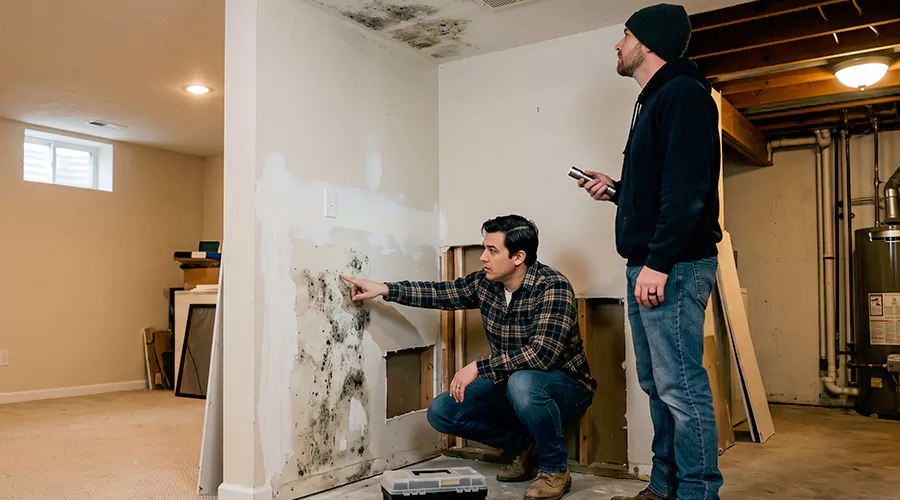
Mold usually returns after remediation because moisture is still entering the area or affected materials never became fully dry. Cleaning visible growth can solve the immediate contamination, but a plumbing leak or condensation problem can recreate the same conditions and allow mold to develop again.
Successful mold remediation therefore depends on moisture control after cleanup. Recurring mold does not automatically mean the previous cleanup failed. A new leak or humidity problem can also restart growth.
Why Does Mold Come Back After It Has Been Removed?
Mold returns when spores encounter enough moisture to grow again. Mold spores naturally exist indoors, so removing every spore is not a realistic goal. The practical goal is to remove active growth and keep building materials dry afterward.
Common reasons for recurrence include:
- The original leak was never fully repaired.
- Drywall remained damp inside the wall.
- Indoor humidity stays too high.
- Condensation forms repeatedly.
- Wet insulation was left behind.
- Water enters during heavy rain.
- Plumbing develops another slow leak.
- A hidden mold area was missed.
Mold remediation and restoration should address the moisture source before walls or flooring are rebuilt.
Can Hidden Moisture Cause Mold to Return?
Yes. Hidden moisture is one of the most common reasons growth reappears after a room looks clean. Water can remain beneath flooring or behind drywall after exposed surfaces have dried.
A typical moisture problem may develop like this:
| Condition | What Can Happen |
|---|---|
| Surface dries but cavity stays wet | Mold can remain hidden |
| Wet insulation stays inside wall | Drying becomes slower |
| Subfloor retains moisture | Growth can develop below flooring |
| Humidity remains high | Surfaces can become damp again |
| Leak continues slowly | Mold can return in the same area |
Water damage mold remediation should include checking moisture beyond the visible stain.
How Does Indoor Humidity Affect Mold Recurrence?
High indoor humidity can create damp conditions without an obvious plumbing leak. Moisture in the air can condense on cool walls or pipes. That repeated condensation can support new growth. Indoor relative humidity should generally remain below 60 percent when possible. A range of roughly 30 to 50 percent is often preferred for routine moisture control.
Signs humidity may be contributing include:
- Condensation on windows
- Damp exterior walls
- Moist closets
- Persistent basement humidity
- Condensation on cold plumbing
A dehumidifier can help control airborne moisture, but it cannot correct an active leak.
Can Mold Return Behind New Drywall?
Yes. Mold can return behind new drywall when reconstruction begins before the wall cavity is dry. New material can hide damp framing or insulation and reduce airflow around the remaining moisture.
Before drywall replacement:
- Correct the original water source.
- Remove contaminated material.
- Dry exposed framing.
- Compare moisture with a dry reference area.
- Replace wet insulation when it cannot be retained.
- Close the wall only after moisture stabilizes.
Mold damage restoration should never cover a wall cavity that still contains excess moisture.
Does Incomplete Mold Removal Cause Recurring Growth?
It can. Surface cleaning may miss contamination on the backside of drywall or beneath carpet. Mold can then remain active outside the cleaned boundary.
Recurring growth deserves closer inspection when:
- Mold appears in the exact same location.
- A musty odor never fully disappears.
- Wall stains continue expanding.
- Growth appears around nearby trim.
- Moisture readings remain elevated.
- Several connected surfaces develop spotting.
Black mold remediation follows the same moisture-control principle as cleanup for other indoor mold colors. Color alone does not explain why growth returned.
How Soon Can Mold Return After Remediation?
Mold can begin developing again when building materials stay damp for about 24 to 48 hours. Visible growth may take longer to become obvious.
| Moisture Condition | Recurrence Risk |
|---|---|
| Materials dry quickly | Lower |
| Damp for 24 to 48 hours | Risk begins increasing |
| Damp for several days | Higher |
| Ongoing leak | Persistent risk |
| Repeated condensation | Recurring risk |
This is why rapid response to new water exposure matters even after previous remediation has been completed.
What Warning Signs Suggest Mold Is Returning?
Recurring mold is not always visible at first. Odor and material changes can appear before obvious surface growth.
Watch for these signs:
- A musty smell returns.
- Paint begins bubbling.
- Drywall feels damp.
- Baseboards start swelling.
- Water stains become darker.
- Indoor humidity remains high.
- Carpet edges feel damp.
- Condensation keeps appearing.
- Small spots return after cleaning.
- Moisture readings rise again.
Mold damage cleanup should focus on finding why these conditions are returning rather than repeatedly wiping the same surface.
What Can You Check Yourself?
A moisture comparison is a useful way to check whether the affected area remains wetter than the rest of the building. Use a moisture meter that suits the material.
Follow this process:
- Test a dry reference area.
- Record the reading.
- Test the previously affected area.
- Mark the same location.
- Repeat the measurement the next day.
- Watch for stable or rising moisture.
A hygrometer can also show whether room humidity remains unusually high. Do not cut into walls simply to look for mold because wiring or plumbing may be concealed inside.
When Should You Call a Professional?
Professional assessment is appropriate when mold returns repeatedly after the visible surface has been cleaned. Help is also appropriate when the moisture source cannot be found or the affected area extends into several rooms.
Consider professional help when:
- Mold keeps returning in the same place.
- Several walls are affected.
- Moisture remains inside cavities.
- HVAC contamination is suspected.
- Sewage caused the original problem.
- Insulation contains visible growth.
- The affected area is larger than about 10 square feet.
- The water source remains unclear.
Mold remediation service work may require containment if opening finished surfaces could spread contaminated debris.
How Can You Prevent Mold From Returning?
Long-term prevention depends on controlling water every day rather than treating visible growth after it develops.
Use this maintenance routine:
- Check plumbing areas each month.
- Investigate roof leaks promptly.
- Keep indoor humidity below 60 percent.
- Dry new water damage within 24 to 48 hours.
- Use leak alarms near water heaters.
- Check basements for recurring dampness.
- Watch repaired walls for new staining.
Conclusion
Mold usually returns after remediation because moisture is still present or has entered the area again. Hidden dampness and high humidity can recreate the conditions that caused the original problem. Cleaning alone will not prevent recurrence when the water source remains. If mold repeatedly returns after drying, professional assessment can help locate concealed moisture. This week, check the affected area with a moisture meter or hygrometer.
Frequently Asked Questions
Can mold return after professional remediation?
Yes. New moisture can support new growth even after the previous contamination was properly removed.
How quickly can mold come back?
Growth can begin when materials remain damp for roughly 24 to 48 hours. Visible signs may appear later.
Does repainting stop mold from returning?
No. Paint does not correct moisture behind a wall.
Can high humidity cause mold after remediation?
Yes. Persistent humidity can keep surfaces damp enough for mold to grow again.
Why does mold keep returning in the same corner?
Condensation or hidden moisture may be affecting that specific area repeatedly.
Does recurring mold mean the whole wall must be replaced?
Not automatically. The decision depends on moisture levels and the condition of the material.